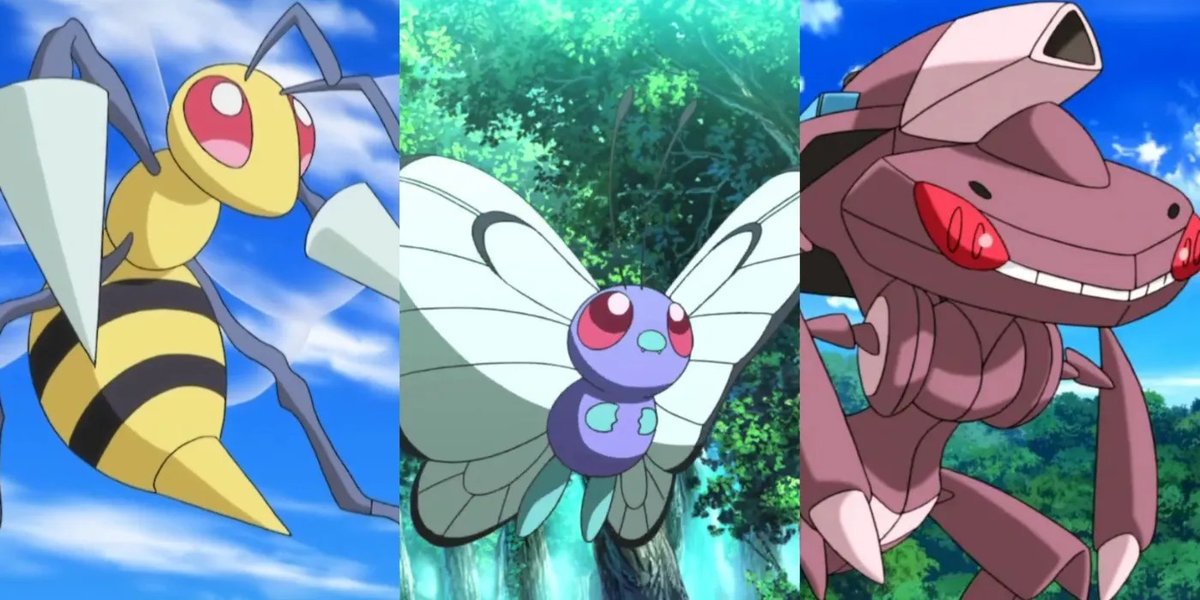
Remember the first time you cheered for an underdog ant, or laughed at a bumbling bee's antics? For many of us, some of our earliest and fondest animated memories revolve around the tiny, often misunderstood world of insects. Iconic Bug Cartoon Characters & Franchises didn't just entertain us; they taught us about perseverance, community, and even a little bit about the natural world, all while sparking our imaginations.
From bustling ant colonies to high-flying bees, these pint-sized protagonists and their sprawling universes have left an indelible mark on popular culture, shaping how generations view the insect kingdom. They've proven that you don't need to be big to have a huge impact.
At a Glance: Our Journey Through the World of Animated Bugs
- The Enduring Appeal: Discover why insects make such compelling heroes and villains in animation.
- Pioneers & Trailblazers: Revisit the classic bug characters who first graced our screens.
- The CGI Revolution: Explore how 3D animation brought a new level of detail and storytelling to bug franchises like A Bug's Life and Antz.
- Small Screen Stars: Dive into beloved TV series featuring buzzing, crawling, and flying friends.
- Beyond Entertainment: Understand the subtle lessons and impactful themes these stories often carry.
- A Lasting Legacy: Consider how bug cartoons continue to evolve and inspire new audiences.
Why Bugs? A Tiny World, Big Stories
What is it about a creature often seen as a pest that makes for such captivating storytelling? Perhaps it's their sheer ubiquity, their complex societies, or the inherent "underdog" narrative that naturally unfolds when you're a creature navigating a world designed for giants. Bugs, in their animated forms, become incredibly relatable. They face universal challenges—finding food, building homes, dealing with bigger threats—but on a scale that makes their struggles both epic and endearing. This unique blend of familiarity and fantastical transformation is a huge part of their enduring charm.
Animators and storytellers leverage the natural characteristics of different insect species. Ants, with their strict hierarchy and collective strength, are perfect for tales of teamwork and community. Bees, busy and vital, often star in stories about diligence and the importance of nature. Spiders, traditionally feared, are often reimagined as wise, maternal, or misunderstood figures, offering valuable lessons about looking beyond appearances.
The Pioneers: Early Insects on Screen
While the modern era boasts sophisticated CGI, the love affair between animators and insects began much earlier. One of the earliest and most beloved examples can be found in Walt Disney's Silly Symphonies.
The Grasshopper and the Ants (1934)
This classic short, based on Aesop's Fable, perfectly encapsulates the core moral lessons often found in bug cartoons. Here, a carefree grasshopper sings and plays while the industrious ants prepare for winter. When the cold arrives, the grasshopper faces starvation, eventually turning to the ants for help. The story, a simple yet powerful allegory about hard work and planning, cemented the ants' image as diligent workers and the grasshopper as a symbol of short-sighted merriment. Its visual charm and clear narrative laid groundwork for how anthropomorphic insects could convey profound messages.
Flip the Frog: The Fly (1930)
Though lesser-known today, early animation often featured insects in supporting or adversarial roles. One of the earliest talkies, "The Fly" starring Flip the Frog, depicted a pesky fly. While not the hero, it showed the early fascination with these creatures as comedic foils or plot devices, highlighting their potential for dynamic on-screen action.
These early forays established a blueprint, showcasing how the small scale of insects could be blown up into dramatic, funny, or morally resonant narratives, demonstrating animation's early power to tell complex tales through simplified forms. You can see how these foundational works informed the rich history of animation as a whole.
The CGI Revolution: When 3D Bugs Took Flight
The late 1990s marked a monumental shift in animation with the advent of computer-generated imagery. This technological leap wasn't just about creating more realistic visuals; it allowed for unprecedented detail in world-building and character expressiveness, perfectly suited for the intricate world of insects. Suddenly, audiences could dive into a blade of grass or soar through a field with a level of immersion previously unimaginable.
A Bug's Life (1998)
Pixar's second feature film, A Bug's Life, became an instant classic and a cornerstone of Iconic Bug Cartoon Characters & Franchises. It tells the story of Flik, an inventive but clumsy ant who tries to save his colony from a gang of menacing grasshoppers led by the tyrannical Hopper.
- Flik: The quintessential underdog, Flik embodies ingenuity and courage despite his small stature. He proves that thinking outside the box can overcome brute force. His journey resonates deeply with anyone who has ever felt overlooked or misunderstood.
- Princess Atta & Dot: These royal ants show growth and leadership, particularly young Dot, who looks up to Flik and provides much of the film's heart.
- Hopper: As the formidable villain, Hopper is a masterclass in animated menace. His size and menacing presence make the ants' struggle all the more compelling, highlighting themes of oppression and rebellion.
- The Circus Bugs: A memorable ensemble of "warrior bugs" (who are actually circus performers) brings humor and a diverse array of insect types, from a stick insect to a ladybug and a pill bug.
A Bug's Life wasn't just a technical marvel; it was a deeply emotional story about standing up to bullies, finding strength in unity, and the power of belief in oneself.
Antz (1998)
Released in the same year, DreamWorks' Antz offered a darker, more adult take on ant society. While sharing a similar premise of an individual ant defying the status quo, Antz delved into themes of identity, social class, and individuality versus collectivism.
- Z (voiced by Woody Allen): A neurotic worker ant grappling with his place in a rigidly structured society. Z's cynical yet introspective personality made him a unique protagonist in children's animation, though the film often targeted older audiences with its humor and themes.
- Princess Bala (voiced by Sharon Stone): A rebellious princess tired of her royal duties, she provides Z with a glimpse into a world beyond his assigned role.
Antz showcased the versatility of insect narratives, proving they could tackle complex social commentary alongside adventure. These two films collectively demonstrated how animated films are brought to life with different artistic visions.
Beyond the Big Screen: TV's Enduring Insect Stars
While feature films brought grand bug adventures to the multiplex, television has been a fertile ground for countless Iconic Bug Cartoon Characters & Franchises, often bringing these tiny heroes into our homes week after week. These series cemented insects' place in children's media, offering ongoing stories and character development.
Maya the Bee
Originating from German books and adapted into multiple animated series, Maya the Bee is a timeless tale of a curious young bee. Maya's adventures typically involve her exploring the meadow outside her hive, learning about other insects, and understanding the wonders and dangers of her natural world. The series is celebrated for its gentle pacing, educational value, and focus on friendship, respect for nature, and the joy of discovery. Maya, with her innocent curiosity and vibrant personality, became an ambassador for the insect world.
Oggy and the Cockroaches
A French animated comedy, Oggy and the Cockroaches takes a completely different approach. It's a slapstick, non-dialogue driven cartoon centering on Oggy, a blue cat, and the three mischievous cockroaches—Joey, Dee Dee, and Marky—who constantly torment him.
- Joey, Dee Dee, and Marky: These three roaches are the epitome of cartoon antagonists—annoying, resilient, and endlessly inventive in their pranks. Their chaotic energy and Oggy's often futile attempts to get rid of them provide endless laughs, proving that bugs can be hilarious troublemakers too.
This series exemplifies how bug characters can be used effectively in pure comedy, relying on physical gags and universal themes of rivalry and persistence.
Miss Spider's Sunny Patch Friends
Based on David Kirk's popular children's books, Miss Spider's Sunny Patch Friends brought a decidedly gentle and nurturing take on the spider. Unlike traditional fearsome portrayals, Miss Spider is a warm, loving mother figure who, along with her husband Holley, raises a diverse family of insect children. The show beautifully teaches lessons about friendship, family, diversity, and exploring the world with kindness and curiosity. It successfully reframed the image of a spider for an entire generation, making her approachable and endearing.
Beat Bugs (Netflix)
A more recent addition to the pantheon, Beat Bugs is an animated series for preschoolers that features a group of five insect friends who learn about the world in an overgrown backyard, all while performing classic songs by The Beatles.
- Jay, Kumi, Crick, Buzz, and Walter: Each character embodies different traits, from enthusiastic Jay to thoughtful Kumi. Their adventures are simple yet profound, often tied to the themes of the Beatles songs they perform.
This show cleverly uses Iconic Bug Cartoon Characters & Franchises as a vehicle for musical education and gentle life lessons, introducing timeless music to a new generation through charming insect protagonists. The creators truly understood the profound impact of children's media on young minds.
Minuscule: Valley of the Lost Ants
This unique French series and feature film blends hyper-realistic natural environments with stylized 3D animated insects. With no dialogue, the stories rely entirely on visual humor, sound effects, and the universal dynamics of the insect world. It features a diverse cast of ants, ladybugs, spiders, and flies, engaged in micro-dramas that feel epic despite their scale. Minuscule is a testament to the power of visual storytelling and the inherent drama within the insect ecosystem.
The Enduring Appeal: What Makes Bug Characters Resonate?
The persistent popularity of Iconic Bug Cartoon Characters & Franchises isn't accidental. It taps into several fundamental aspects of human experience and storytelling:
The Underdog Narrative
Bugs are, by their very nature, underdogs. They are small, often perceived as weak, and live in a world where predators loom large. This makes their triumphs all the more satisfying. When a tiny ant outsmarts a monstrous grasshopper, or a busy bee helps save its hive, it resonates with our own desires to overcome seemingly insurmountable obstacles. It’s a powerful message: size doesn't determine strength or intelligence.
Anthropomorphism and Relatability
By giving bugs human-like qualities—emotions, voices, goals, and even clothing—animators make them instantly relatable. We see ourselves in Flik's aspirations, Z's anxieties, or Maya's curiosity. This anthropomorphism allows us to explore complex human themes like community, individuality, fear, and courage through a fresh, accessible lens.
Community and Cooperation
Many bug societies, particularly ants and bees, operate on principles of cooperation and community. This provides a rich backdrop for stories about teamwork, the importance of every individual's contribution, and the strength found in unity. These themes offer valuable lessons for young audiences about working together and valuing diverse roles within a group.
Subtle Educational Value
While primarily entertainment, many bug cartoons subtly introduce children to concepts of biology, ecology, and the natural world. They might learn about the life cycle of a butterfly, the role of bees in pollination, or the different types of insects, often inspiring a newfound appreciation for the creatures in their own backyards. They can even touch upon environmental themes in animation more broadly.
Visual Versatility
From the intricate details of a beetle's shell to the delicate flutter of a butterfly's wings, insects offer a vast palette for animators. Their diverse forms, colors, and movements provide endless opportunities for creative character design and dynamic animation sequences. The sheer variety of insect species means there's always a new personality or visual archetype to explore.
Navigating the Hive: Common Questions About Bug Cartoons
Why are so many bug cartoons about ants?
Ants are a popular choice for several reasons:
- Social Structure: Their highly organized colonies provide a natural setting for stories about community, hierarchy, and rebellion. You can easily create protagonists (worker ants) and antagonists (rival colonies, lazy individuals).
- Relatability: Their hard-working nature, foraging activities, and collective defense are easy to humanize.
- Scale: Their small size automatically creates an "underdog" scenario against the larger world, ripe for adventure and challenge.
- Visual Appeal: Large numbers of marching ants create visually impressive scenes, and individual ants are simple enough to animate while still being distinctive.
Do bug cartoons teach kids about real insects?
While most bug cartoons prioritize entertainment and storytelling over strict scientific accuracy, many do offer subtle educational benefits:
- Sparking Interest: They can ignite a child's curiosity about the natural world and encourage them to observe real insects.
- Basic Concepts: Some shows (like Maya the Bee or Miss Spider's Sunny Patch Friends) weave in accurate facts about habitats, food sources, or life cycles.
- Dispelling Fear: By portraying insects as friendly or relatable, they can help alleviate common fears of bugs.
However, it's important for parents and educators to remember that these are fictionalized portrayals. A cartoon ant might build a complex machine, but a real ant is busy with more fundamental tasks.
Are there any scary bug cartoons?
While the focus of this article is generally on family-friendly and iconic characters, insects can certainly be used to create frightening or unsettling characters, especially in genres outside of typical children's animation. For instance, sci-fi or horror often feature monstrous, exaggerated insects. In children's cartoons, villains like Hopper from A Bug's Life or the occasional menacing spider might be designed to be intimidating, but rarely truly terrifying, serving more as a dramatic foil than a source of genuine horror.
Beyond the Cocoon: The Future of Animated Insects
The legacy of Iconic Bug Cartoon Characters & Franchises is far from over. As animation technology continues to advance, and storytellers seek fresh perspectives, insects will undoubtedly continue to inspire new generations of animated heroes and villains. We'll likely see even more intricate worlds, more diverse species represented, and more complex narratives unfold.
Whether they're teaching us about friendship, showing us the power of an individual, or simply making us laugh with their quirky antics, animated bugs prove that even the smallest creatures can leave the biggest impact on our hearts and imaginations. So next time you see a tiny creature scurrying by, remember the grand adventures and profound lessons they've inspired on screen.
Want to see more of these fantastic characters and explore the wider world of bug-inspired animation? You're in luck! Explore our bug cartoon collection for even more buzzing, crawling, and flying fun. The world of tiny heroes and epic insect sagas continues to evolve, promising even more memorable characters and stories for years to come. The creativity involved in bringing these characters to life, from initial concept to the final frame, truly highlights the art of voice acting in cartoons and the entire production process.